Y Combinator founder stack readiness
Y Combinator can be useful for accelerator, SaaS, venture founders, but the practical decision is whether the founder has the proof, operating story, and stack readiness to use this accelerator effectively.

Y Combinator
accelerator, SaaS, venture teams that can commit to a programme cadence and show application-ready evidence.
Active programmes
Eligibility check
Resolve the open items before treating this as a strong application path.
Focus
Founder stack guide for Y Combinator: ecosystem fit, readiness evidence, missing documents, and company, banking, payments, cloud, finance, and compliance implications.
- accelerator
- SaaS
- venture
Readiness checklist
- Founder profile and residence
- Customer market and product category
- Traction, deck, metrics, and fundraising stage
- Entity, banking, and payment path under review
- Cloud, model-cost, finance, and compliance records
- Official program or investor requirements checked from source
Stack implications
Entity
Compare entity timing before applying, fundraising, or signing programme terms.
Banking
Prepare KYC, transaction story, source-of-funds, and payout expectations before programme or investor diligence.
Finance
Track grants, equity, credits, workspace, cloud, and founder-paid costs in separate finance records.
Cloud
Keep product hosting, model, and pilot costs ready for application evidence.
IP and compliance
Document IP ownership, founder roles, application promises, recurring filings, and source freshness before submission.
Map cohort timing, location expectations, program terms, and equity or funding structure before committing.
Prepare a one-page operating story before outreach or application.
Match entity timing to funding, IP ownership, banking KYC, and payment eligibility.
Track cloud, model, payment, and bookkeeping costs before demos or pilots.
Support programs and incentives
Y Combinator Standard Deal
YC is a high-signal accelerator and investor path for teams that can move fast, show founder-market fit, and absorb SAFE financing implications early.
Benefits
- Published USD 500,000 standard deal and YC network access
- Batch structure, partner feedback, peer pressure, and Demo Day investor exposure
Eligibility
- Best fit for venture-scale startups with strong founder commitment and fast learning loops
- International founders should check US entity, visa, banking, and tax sequencing before the batch
Required materials
- Concise application narrative and founder video
- Product traction, customer evidence, or technical breakthrough proof
- Cap table, entity status, IP ownership, and bank/payment readiness notes
Stack implications
- SAFE financing can push founders toward US entity and cap table discipline earlier
- Banking, payroll, cloud credits, bookkeeping, and investor reporting need to be operational before Demo Day
Caveats
- The headline amount is not the same as non-dilutive grant funding; founders must understand SAFE dilution and MFN terms
Regional policy brief
US federal R&D and accelerator-readiness path
US deep-tech and university-linked teams should separate non-dilutive federal R&D routes from accelerator or SAFE funding. SBIR/STTR and NSF Seed Fund can support technical validation, while YC, Techstars, university programs, and private investors require clean entity, IP, cap table, banking, and finance records.
- Useful for technical founders who can document R&D novelty, commercialization potential, and US small-business eligibility
- Non-dilutive grants do not remove the need for bank KYC, accounting, payroll, tax, and IP ownership discipline
- VC accelerators are separate from public R&D grants and should be modeled as dilutive or terms-based funding where applicable
Official sources
Related ecosystems

Stanford University
Stanford University can be useful for deep tech, venture, operator education founders, but the practical decision is whether the founder has the proof, operating story, and stack readiness to use this university ecosystem effectively.
Record-specific official social preview image from Stanford University.United StatesUnited States - university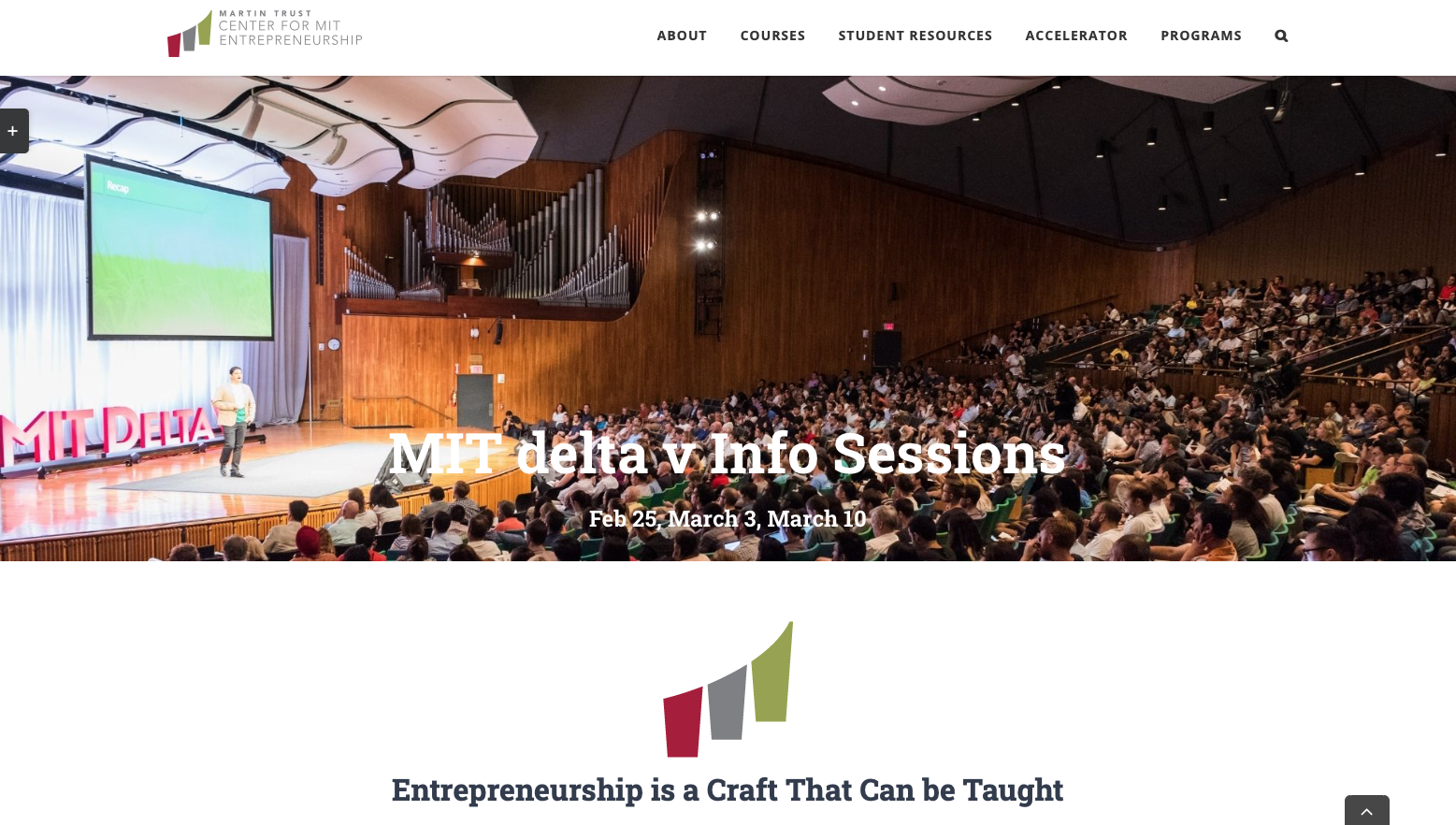
MIT
MIT can be useful for deep tech, AI, commercialization founders, but the practical decision is whether the founder has the proof, operating story, and stack readiness to use this university ecosystem effectively.
Record-specific official social preview image from MIT.United StatesUnited States - university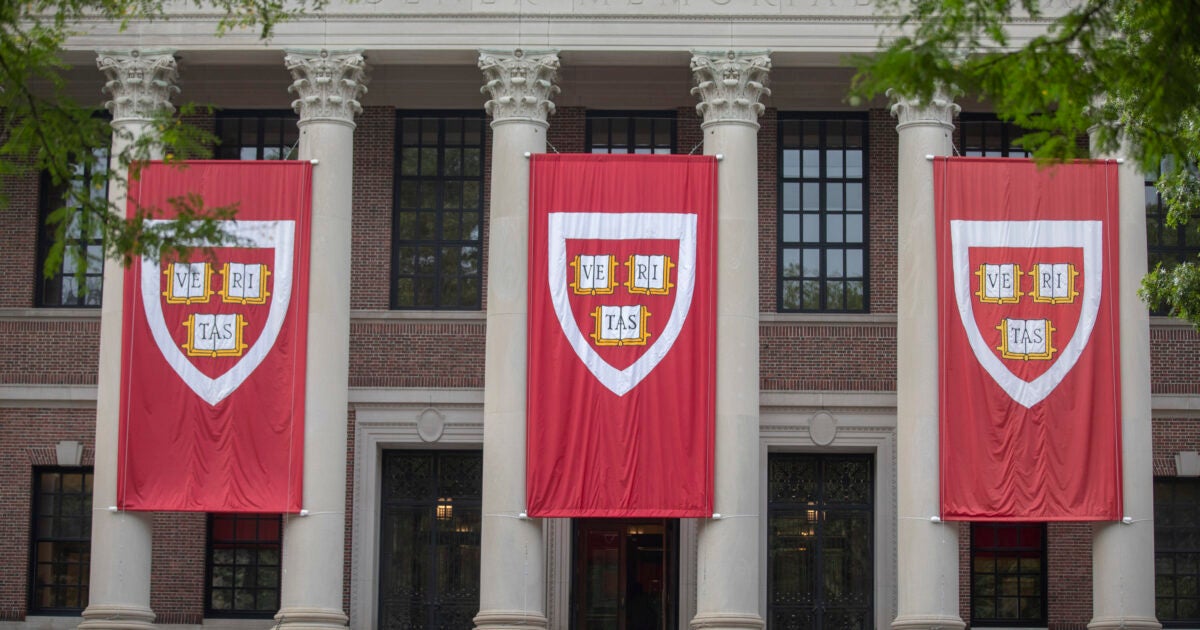
Harvard University
Harvard University can be useful for student ventures, health, consumer founders, but the practical decision is whether the founder has the proof, operating story, and stack readiness to use this university ecosystem effectively.
Record-specific official hero image from Harvard University.United StatesUnited States - university
UC Berkeley
UC Berkeley can be useful for accelerator, deep tech, AI founders, but the practical decision is whether the founder has the proof, operating story, and stack readiness to use this university ecosystem effectively.
Record-specific official logo image from UC Berkeley SkyDeck.United StatesUnited States - university
University of Pennsylvania
University of Pennsylvania can be useful for student ventures, health, fintech founders, but the practical decision is whether the founder has the proof, operating story, and stack readiness to use this university ecosystem effectively.
Record-specific official hero image from University of Pennsylvania Venture Lab.United StatesAsk the Agent
Educational decision support only. This is not legal, tax, accounting, investment, banking, visa, admissions, or funding advice.
Ask the AgentFrom signal to reviewed execution.
GFS connects live founder intelligence, decision guides, the Agent workspace, operating directories, and human review into one sequence.
Founder Stack OS
Signal, decide, build, directory, and review connected around one founder profile.
Build My Founder StackFounder Radar turns startup, product, funding, policy, and AI signals into stack questions.
Open radarDecideInsights and guides convert signals into entity, banking, payments, cloud, finance, and compliance choices.
Read briefsBuildThe Agent workspace turns founder context into a stack plan, report, risks, and next actions.
Run taskDirectoryTools, ecosystems, and incentives become shortlist options only after fit is known.
Compare optionsReviewHuman review and services handle high-risk entity, banking, tax, filing, or execution questions.
Review optionsGuidesReference decisions for formation, banking, payments, cloud, finance, and tax.
Read guidesEcosystemsUniversities, accelerators, investors, and founder support environments.
Explore ecosystemsServicesOfficial channels, banking readiness, accounting, tax, notary, documents, and execution scoping.
Scope services